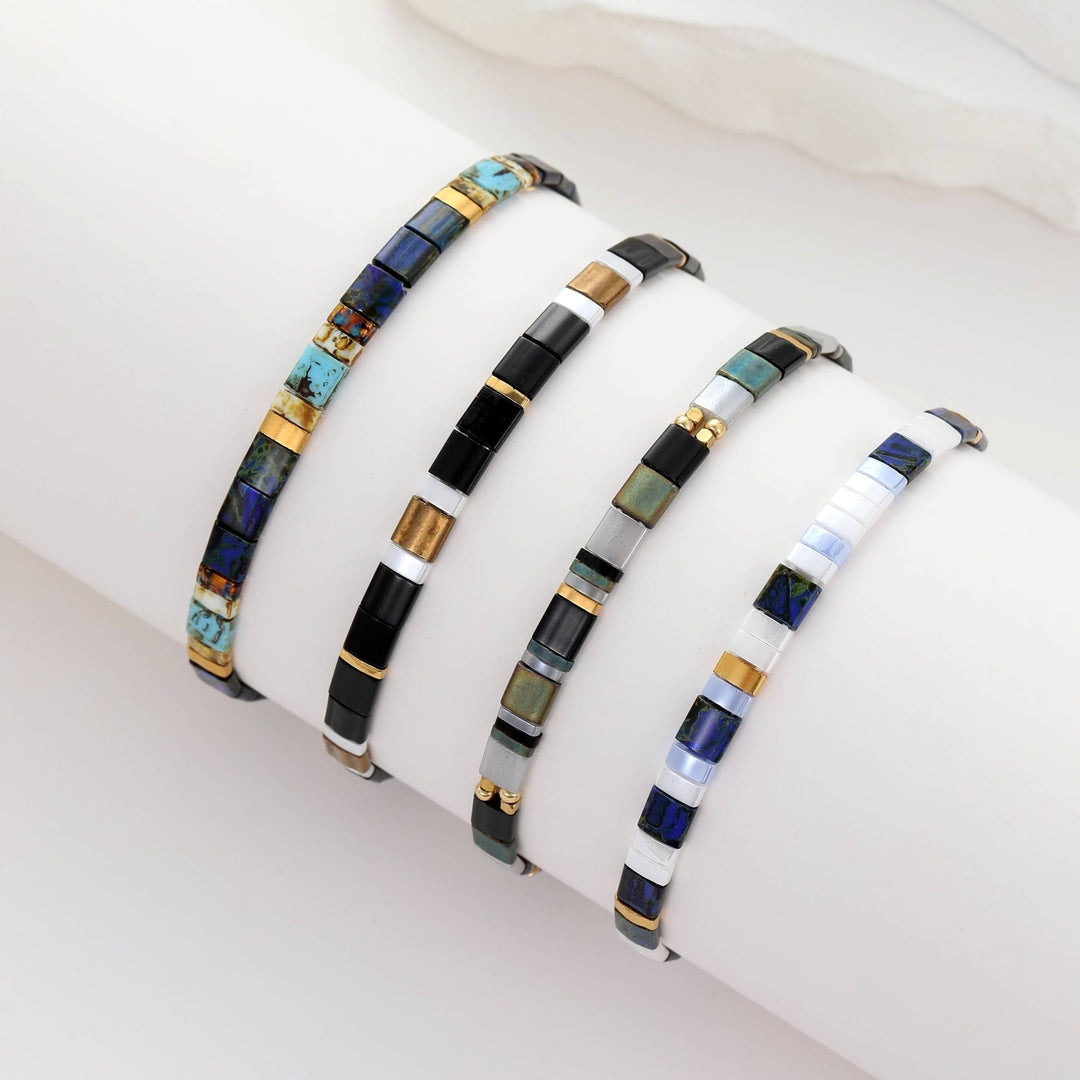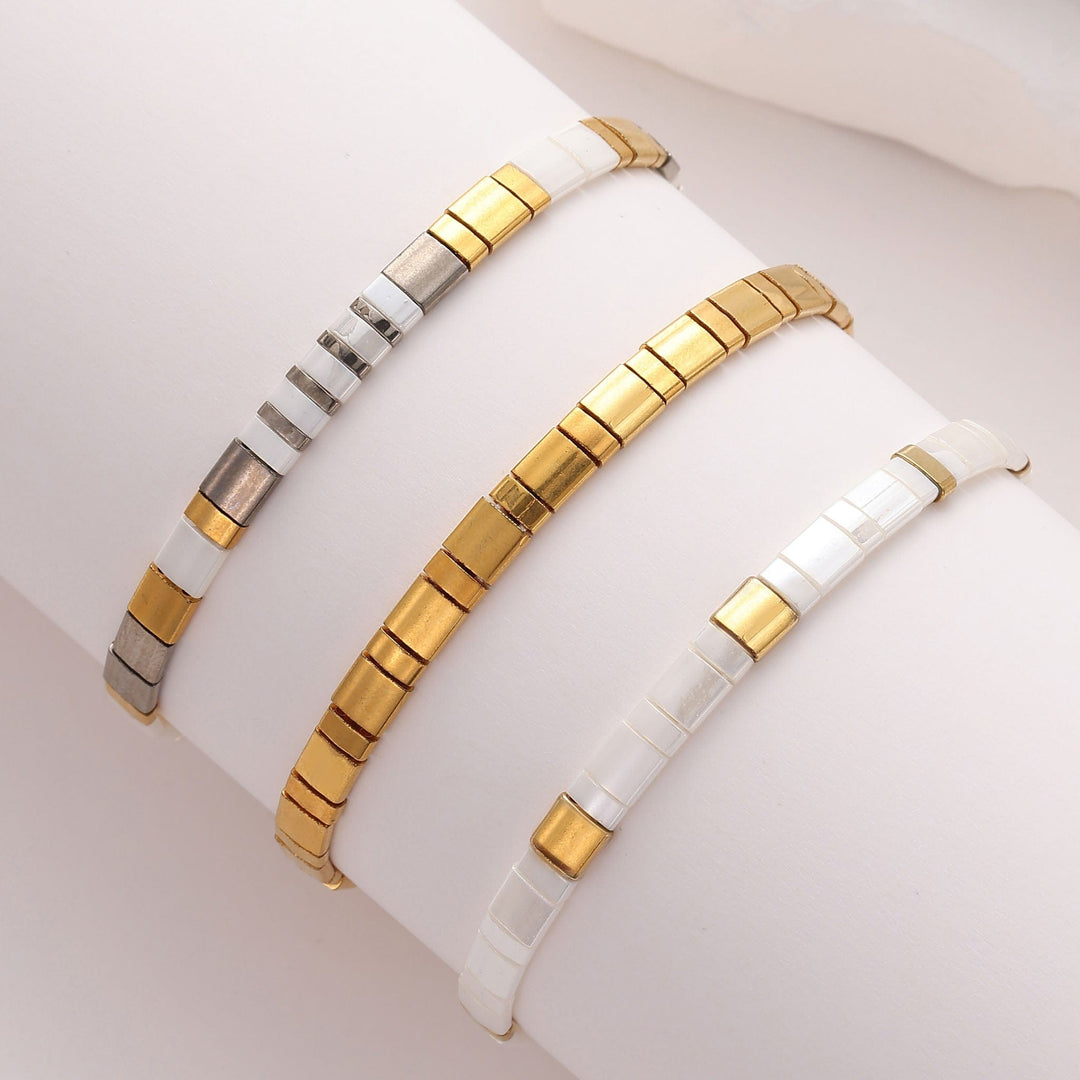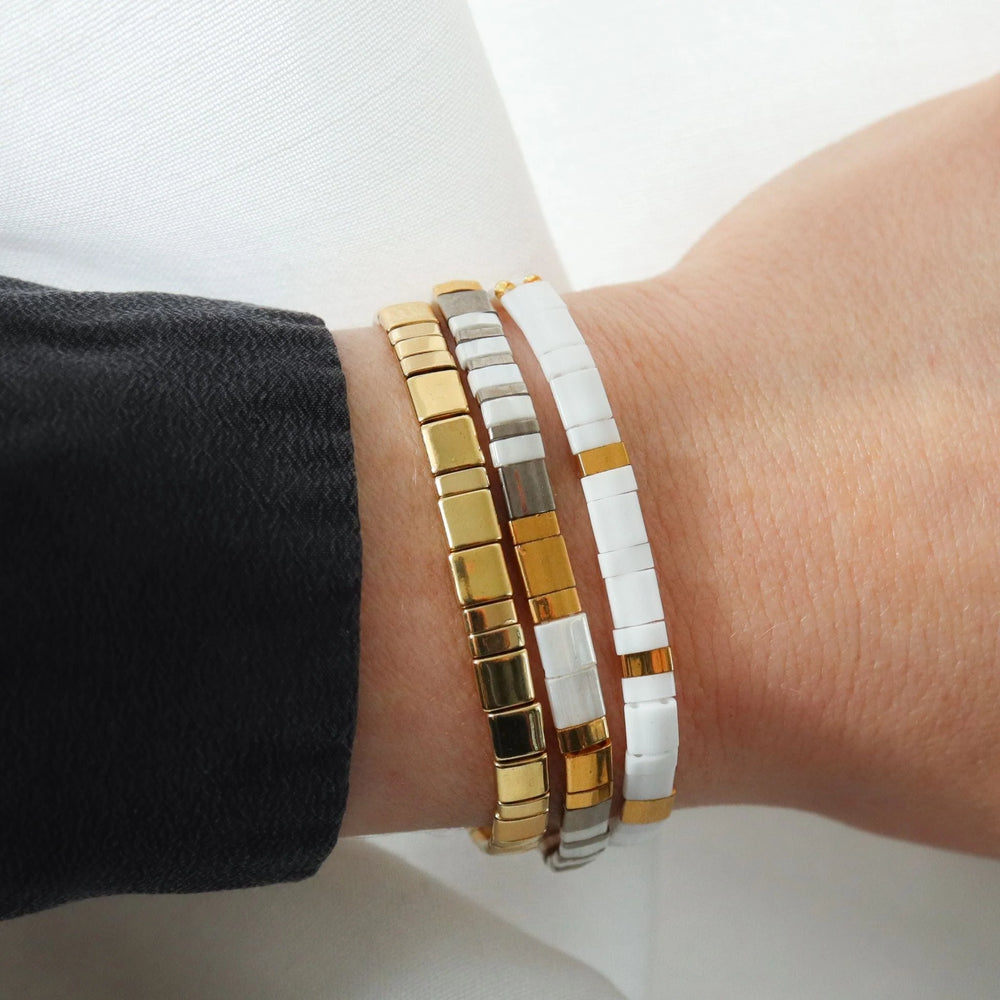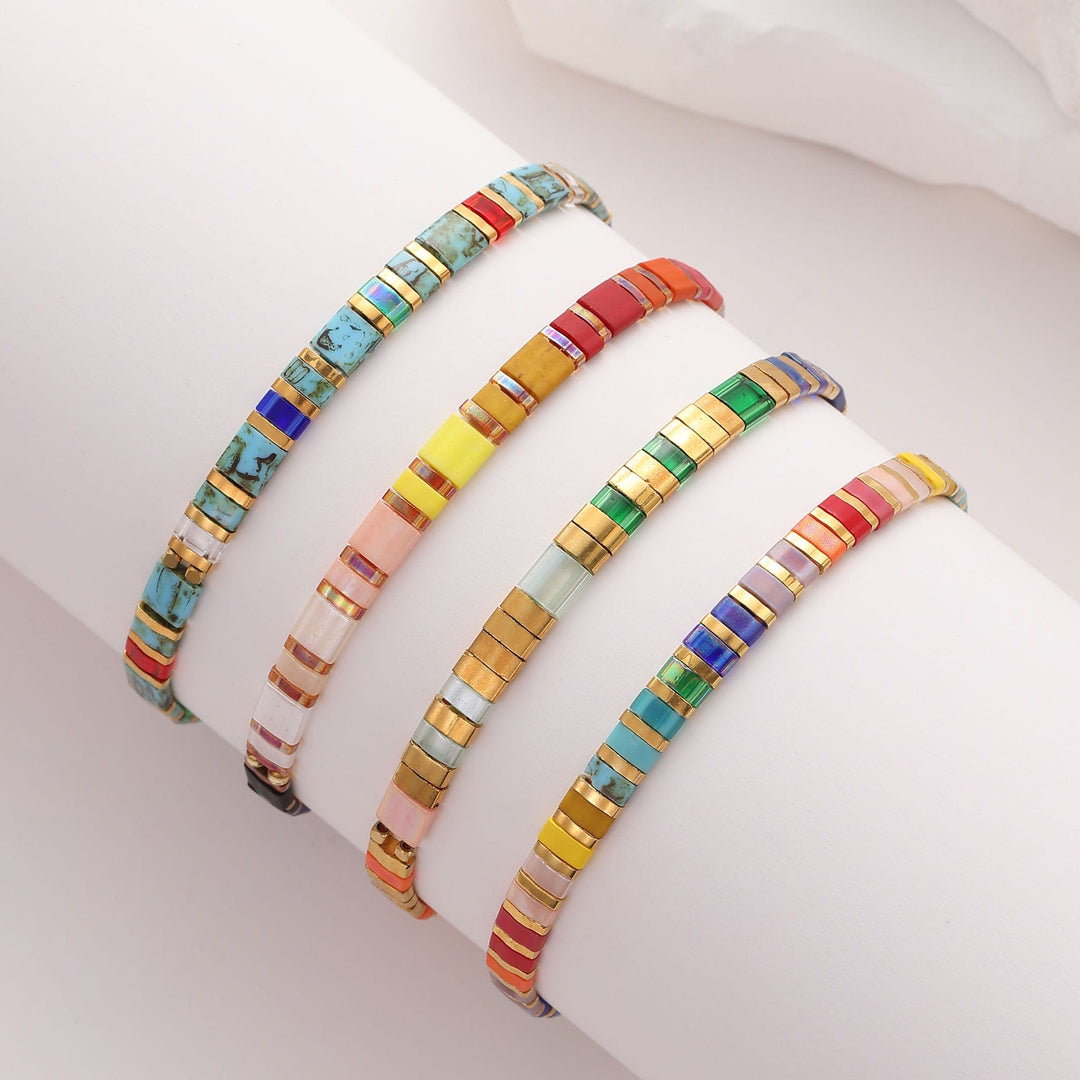




Why Handmade Jewelry Is Worth the Investment: Craftsmanship vs Mass Production
Handmade jewelry is worth the investment because each piece receives individual attention that mass production cannot replicate. When an artisan hand-places every bead, inspects every connection, and assembles each piece one at a time, the result is jewelry that fits better, lasts longer, and carries a level of quality visible to the naked eye. The global handmade jewelry market reached $42 billion in 2025, reflecting growing consumer demand for craftsmanship over convenience.
What Is the Difference Between Handmade and Mass-Produced Jewelry?
The fundamental difference is human involvement. Mass-produced jewelry is assembled by machines that stamp, mold, or cast hundreds of identical pieces per hour. Handmade jewelry is created by a person who physically handles each component. This distinction affects every aspect of the final product:
- Quality control — In handmade production, the artisan inspects each piece during assembly. A misaligned bead, a weak knot, or an uneven pattern is caught and corrected in real time. In mass production, quality checks happen after the fact through random sampling, meaning defective pieces regularly reach customers.
- Material selection — Handmade jewelry makers typically choose premium materials because their reputation depends on every single piece. At Koss Design, we use exclusively certified Miyuki beads imported from Japan — not generic glass beads that look similar but lack the precision and durability.
- Uniqueness — Even when following the same design, handmade pieces have subtle variations that give each one character. Machine-made jewelry is identical to the point of feeling impersonal.
Does Handmade Jewelry Actually Last Longer?
When made with quality materials, yes. A survey by the Craft and Hobby Association found that consumers rated handmade jewelry as lasting 2-3 times longer than comparable mass-produced pieces at the same price point. The reason is straightforward: handmade production allows the artisan to reinforce stress points, use stronger stringing materials, and ensure every component is securely attached.
Consider a beaded bracelet. In mass production, elastic cord is machine-knotted with standardized tension — fast but not optimized for the specific bead arrangement. In handmade production, the artisan adjusts tension bead by bead, ensuring the cord sits correctly through each hole and the knot is placed where it will be most secure. This attention to detail is why Koss Design offers a 6-month warranty on all pieces and has maintained a 4.8/5 rating across 4,000+ Trustpilot reviews.
Is Handmade Jewelry More Sustainable?
Generally, yes. The fast fashion jewelry industry produces enormous waste: an estimated 85% of costume jewelry ends up in landfills within one year of purchase, according to environmental nonprofit Earth.org. Handmade jewelry brands typically produce in smaller batches, use durable materials designed for years of wear, and generate less packaging waste.
Koss Design ships from a single location in France, reducing the carbon footprint of distributed manufacturing. Each bracelet is made to order or in small batches, meaning we do not overproduce inventory that might eventually be discarded. The Miyuki glass beads themselves are inert and non-toxic, and our packaging uses recyclable materials wherever possible.
How Can You Tell If Jewelry Is Truly Handmade?
Not all jewelry marketed as “handmade” is genuinely hand-assembled. Here are signs of true handmade craftsmanship:
- The brand names the artisan or workshop — Genuine handmade brands are proud of their makers and often share their story.
- Small-batch production — If a brand offers unlimited stock of every design in every color, it is likely machine-made.
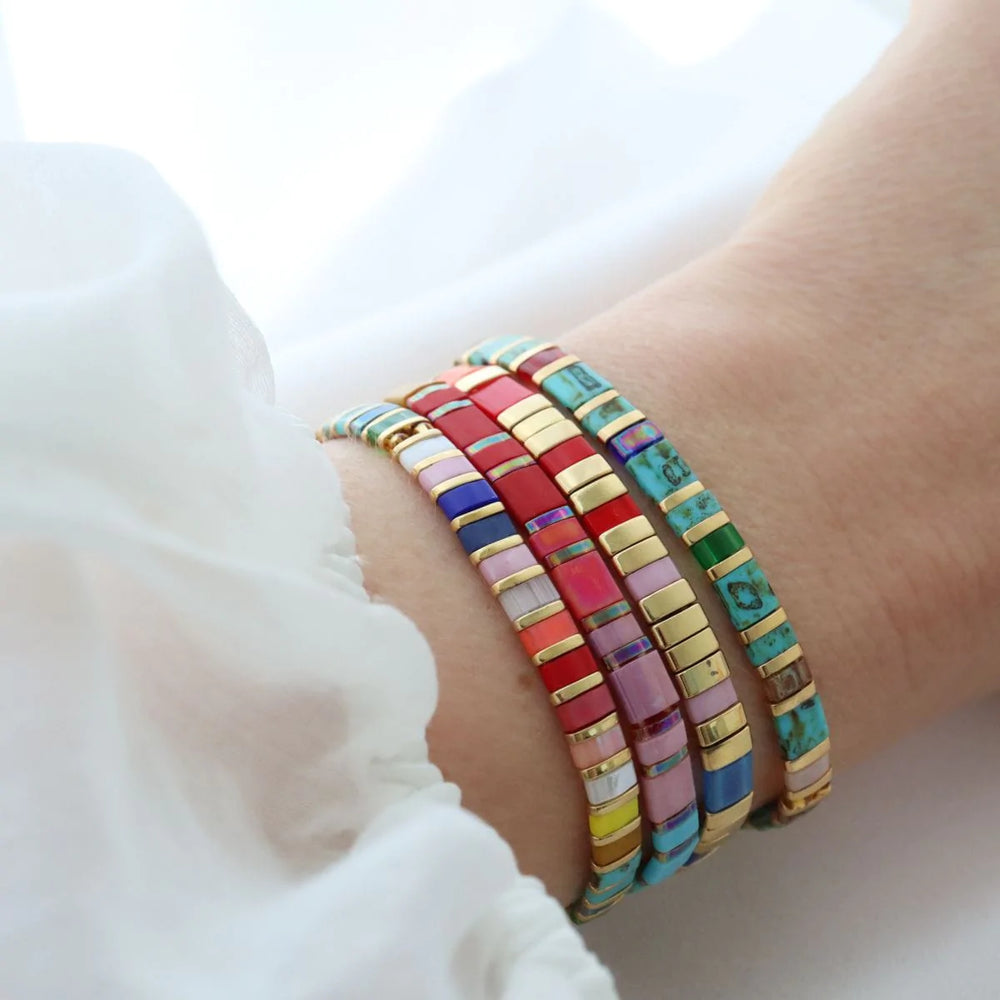
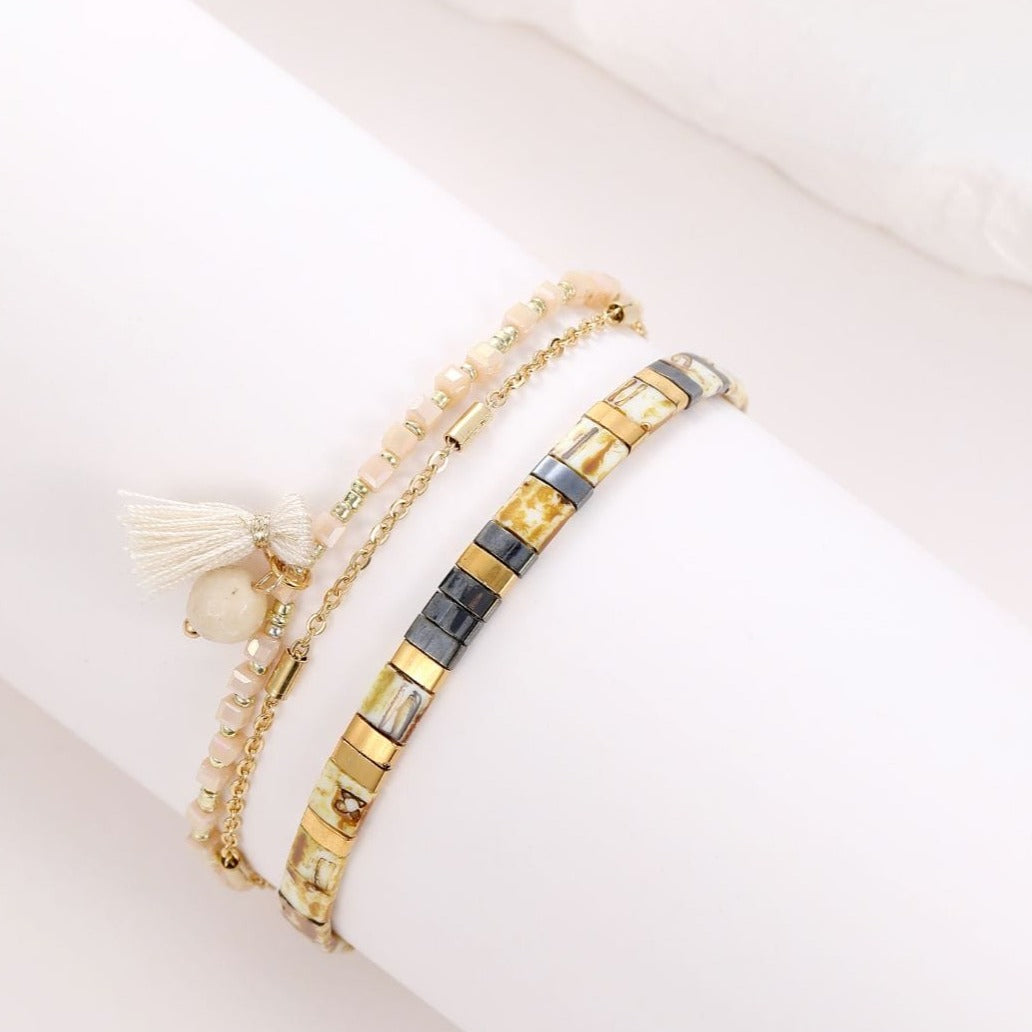
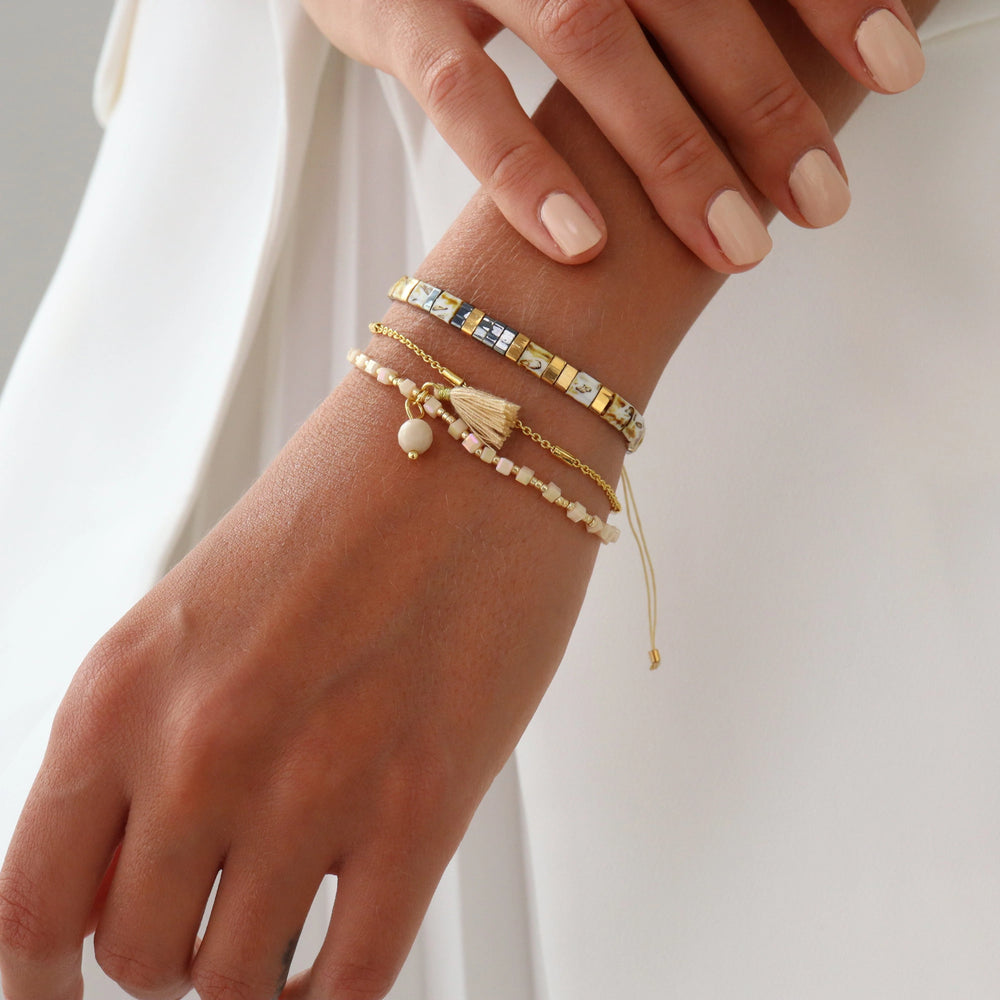
- Visible craftsmanship details — Hand-knotted closures, individually placed beads, and carefully finished edges indicate human assembly.
- Realistic pricing — Handmade jewelry costs more than mass-produced alternatives because human labor is more expensive than machine time. If a beaded bracelet costs $5, it was not handmade.
- Transparent sourcing — Handmade brands typically disclose their materials and their origin.
Why Is Handmade Jewelry More Expensive?
The price difference reflects the cost of skilled human labor and premium materials. A single Koss Design bracelet contains approximately 60 individual Miyuki Tila beads, each hand-placed one at a time. This process takes significantly longer than machine assembly. The premium also covers certified authentic Miyuki beads (not cheaper imitations), durable Korean elastic cord, individual quality inspection, and packaging in a signature satin pouch.
At $24-35 per bracelet, handmade Miyuki bead jewelry offers remarkable value compared to other handmade jewelry categories. Handmade silver or gold jewelry often starts at $100+, while Koss Design delivers artisan quality at an accessible price point that has attracted over 150,000 customers since 2020.
Frequently Asked Questions
Is handmade jewelry a good gift?
Handmade jewelry is an excellent gift because it communicates thoughtfulness. A handcrafted bracelet set feels more personal and meaningful than a mass-produced alternative. Recipients often appreciate knowing their piece was made by hand.
How do I support handmade jewelry artisans?
Buy directly from the brand rather than through large marketplaces where markups go to the platform. Leave reviews — they help small brands compete against mass-produced alternatives. Share the brand on social media. Word of mouth remains the most powerful marketing channel for artisan jewelry.
Can handmade jewelry be repaired?
Yes, and this is another advantage. Handmade pieces can usually be restrung or repaired because they were assembled by hand in the first place. Machine-made jewelry with glued or crimped components is often impossible to repair once damaged.
Is Koss Design jewelry handmade?
Every piece of Koss Design jewelry is handmade. Each bead is individually placed by hand, each bracelet is assembled one at a time, and every order is quality-checked before shipping. We have handcrafted over 750,000 pieces since our founding in 2020.